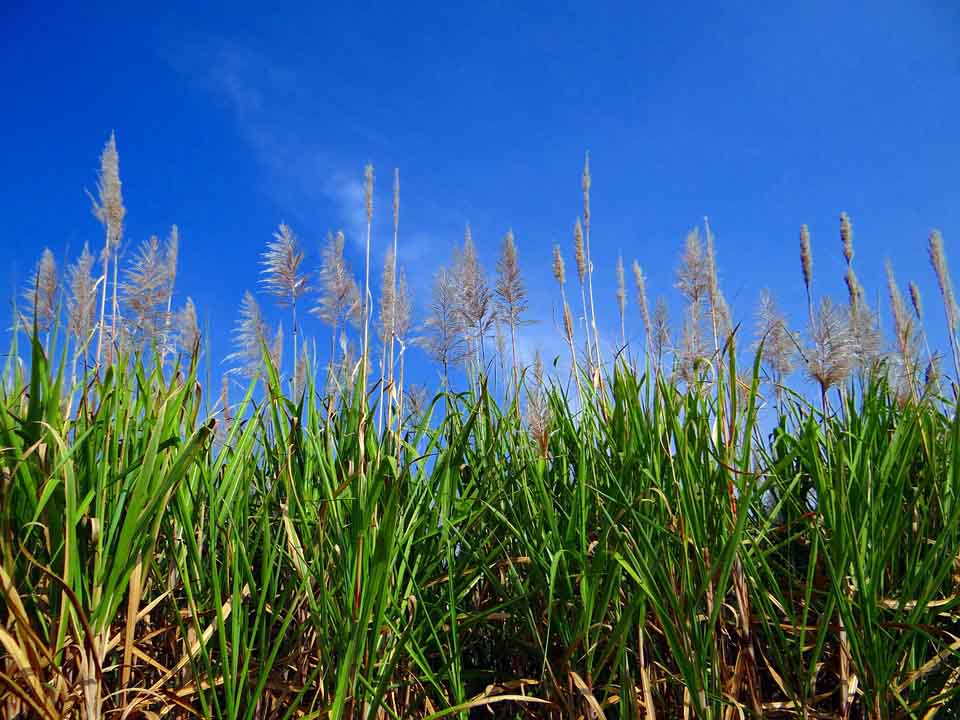
Rhum Agricole
It's difficult to pigeonhole rum. At best, geographical origin can vaguely help to distinguish between different styles or group multiple rums into a category. However, one rum makes this sorting easy for us: Rhum Agricole. It demands very explicit specifications from the rum producers who want to call their product thus. But what exactly is Rhum Agricole? Where does it come from and what distinguishes it from other rums?
How is rum actually made?
Originally, rum was made from sugar cane molasses. This is produced during the refining of crystal sugar. As early as the 16th century, molasses was fermented and distilled into a spirit. This remained the case for a good 250 years. In the Caribbean and Central America, sugar was extracted from sugar cane plants. Sugar molasses was produced, from which rum was then made.
France suddenly no longer needed cane sugar
However, this production chain was interrupted when Napoleon imposed the Continental System against the United Kingdom in 1806. The economic blockade resulted in imported overseas sugar becoming much more expensive. This, in turn, benefited the sugar beet, which had only recently begun to be cultivated profitably. It quickly superseded cane sugar from overseas, which was difficult to transport. The French began cultivating sugar beet on a large scale from 1806. Sugar production from beet in Europe was naturally much more cost-effective than sugar from the Caribbean. Consequently, cane sugar production in the French overseas colonies collapsed.